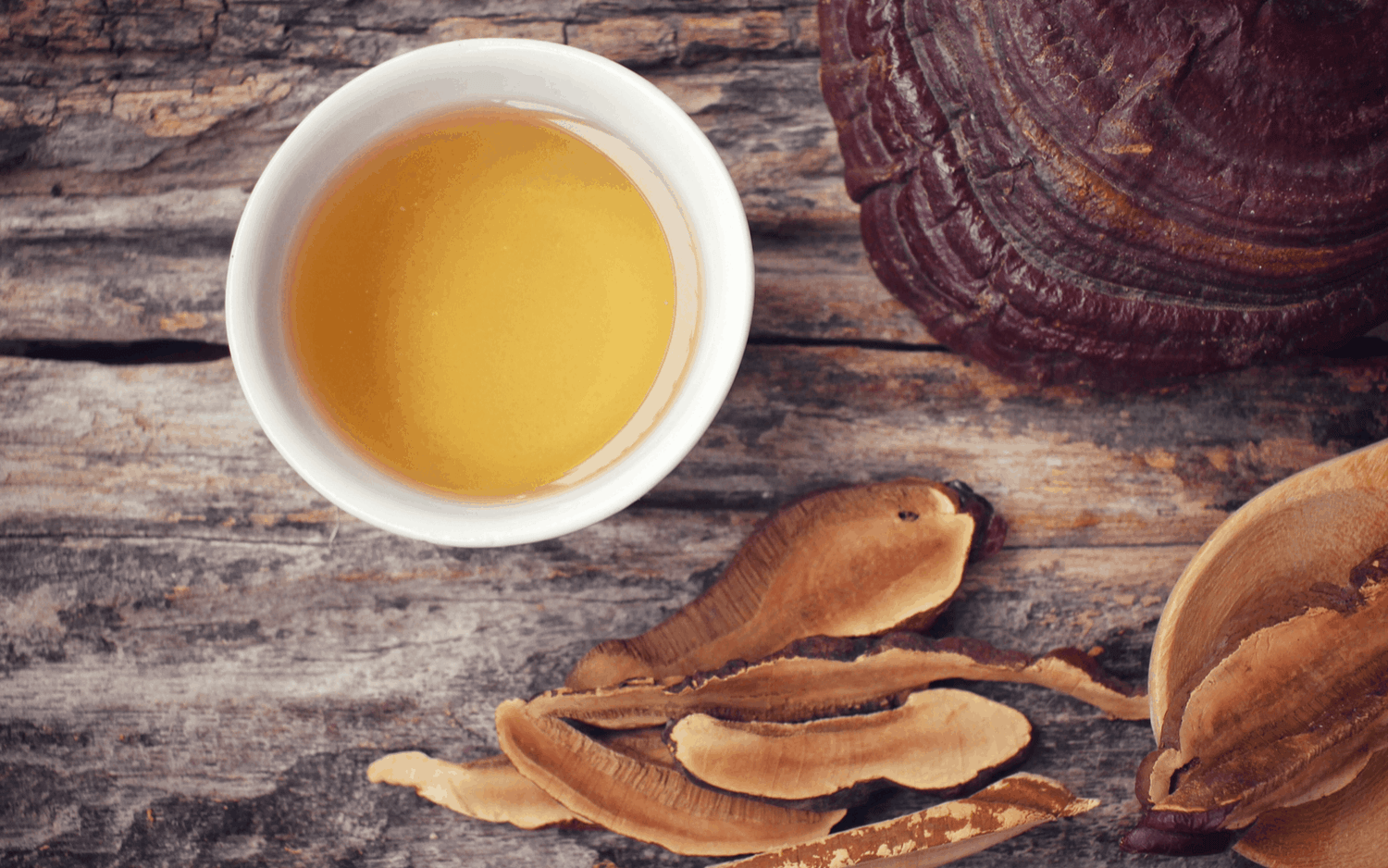
Reishi is one of the most widely used functional mushrooms in the world—rooted in traditional Chinese medicine and embraced globally for its calming, immune-supporting properties.
Reishi mushroom extract is well-studied for its adaptogenic properties, with research pointing to benefits for immune function, stress response, and sleep quality.
When people first learn about Reishi mushrooms as a supplement, a common question is: "Is there a best time to take Reishi?" Here's what you need to know to build a routine that works for you.What is Reishi Mushroom?

What Are the Potential Benefits of Reishi Mushroom Extract?
Dubbed the "mushroom of immortality" in traditional Chinese medicine and "nature's Xanax" in the west, reishi mushroom is an adaptogen that helps your body defend and protect itself against physical and emotional stress.
Potential Anti-Cancer Effects
Research has explored reishi's potential role in supporting conventional cancer care—with some studies suggesting it may complement existing treatments. ([2], [3]) These findings are preliminary, and reishi should not be used as a replacement for medical treatment. Always consult a healthcare professional before using reishi alongside cancer therapy.
Supports Immune Function
Reishi contains beta-glucans and triterpenes that research suggests may support immune function and provide antioxidant activity. ([4]) Studies suggest reishi may support the body's natural immune response—including white blood cell activity and natural killer cell function. ([4])
Improves Sleep Quality and Well-Being

Reishi won't make you feel drowsy during the day. Instead, reishi extract may help support a healthy sleep cycle and improve sleep quality. Research suggests it may also help support energy levels over time with consistent use. ([5])
What is Reishi Mushroom Tea?
While reishi mushroom isn't poisonous, it isn't exactly edible either. Its tough, woody texture makes raw or cooked consumption impractical. Instead, you can dry reishi mushrooms and grind them into powder, or steep slices in hot water to make tea. You can also use organic reishi mushroom extract powder to prepare your own.
Reishi tea is popular because the polysaccharides in reishi are water-soluble. This preparation method has been used in traditional Chinese medicine for centuries and remains one of the most common ways to consume reishi extract. Reishi is naturally bitter—that bitterness is a sign of the active compounds at work. If the taste is too intense, try adding peppermint, ginger, or honey.
What's the Best Time to Take Reishi? Is There One?
There's no single best time to take reishi. It depends on what you're trying to achieve.
Many people prefer taking reishi in the evening. Its calming, adaptogenic properties make it a natural fit for winding down before bed. Reishi extract may support healthy sleep cycles and help you ease into rest.
That said, consistency matters more than timing. Daily use gives your body time to respond to reishi's bioactive compounds. Most people notice meaningful effects after two to four weeks. Think of it like building a habit. The benefits grow with consistent daily use.
Take reishi every day at whatever time fits your routine—morning for calm, focused support; evening for relaxation and sleep.
How to Choose a high-Quality Reishi Extract
Not all reishi supplements are equal. One USP analysis found that a majority of reishi products on the market contained little to no actual reishi mushroom. You really need to look at the ingredient label and make sure the brand you're buying from is transparent about what's inside.
If the label lists "mycelium on grain," "brown rice mycelium," or any mycelium-based source, look elsewhere. Mycelium is the root-like structure of the fungus—it doesn't contain the same concentration of beneficial compounds as the fruiting body.
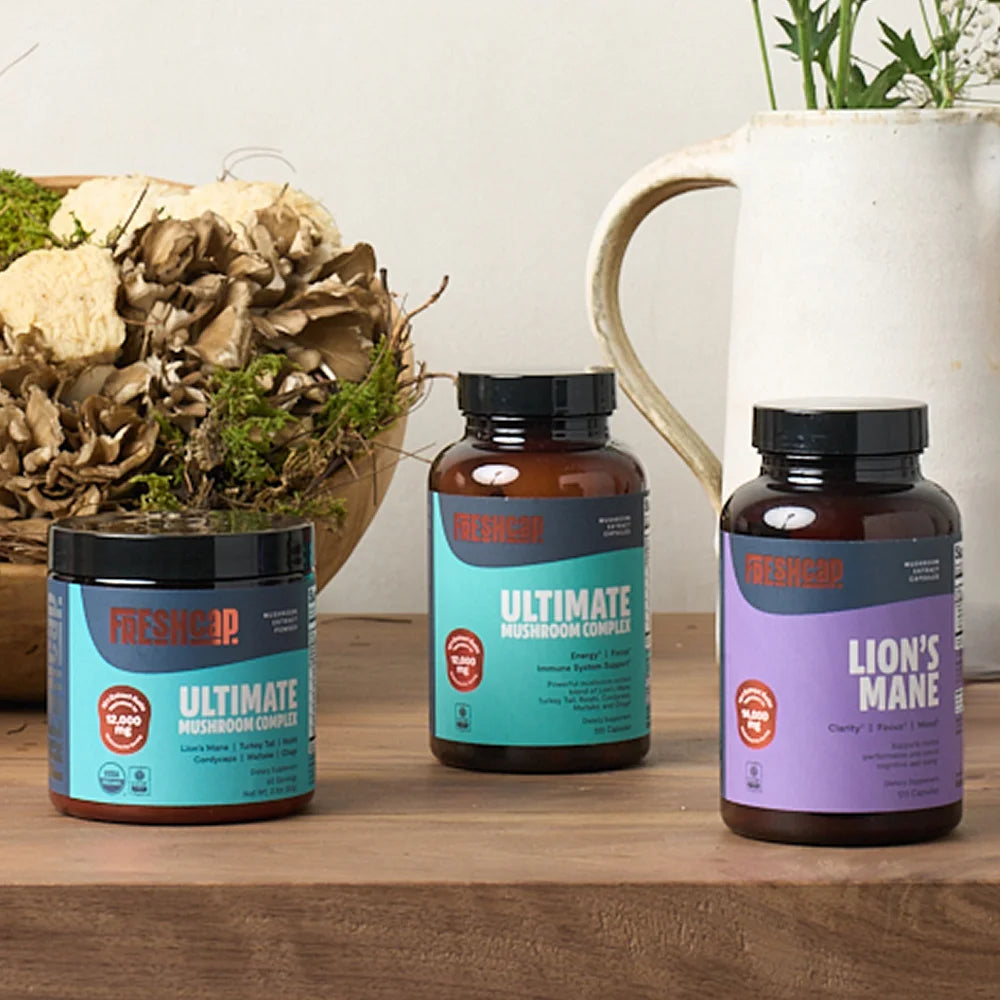
Look for reishi extract made from the whole fruiting body. If the brand also discloses beta-glucan content on the label, that's a strong signal of quality and transparency—two things FreshCap leads with. As with most supplements, a price that seems too good to be true usually is.
Does Reishi Have Any Potential Side Effects?
Reishi is generally well-tolerated. The most commonly reported side effect is mild digestive discomfort.
Because reishi may influence blood pressure, those with already low blood pressure should speak with a healthcare professional before starting a reishi supplement. The same applies to anyone taking blood-thinning medications or who is pregnant or breastfeeding.
The Bottom Line
Reishi is a well-studied functional mushroom with a strong safety profile and a growing body of research behind it.
If you're ready to add reishi to your daily wellness routine, start with a high-quality, fruiting-body extract with disclosed beta-glucan content—and give it a few weeks to work.