

Mushroom coffee caffeine is real, and yes, it does give you a boost.
Most blends contain around 40–60 mg of caffeine content per cup compared to ~95 mg in a standard brew, which is why many people see it as a smoother alternative.
That difference may be small, but it is why many people are exploring mushroom coffee vs regular coffee. With mushroom coffee, you still get your morning routine, just with a smoother and less intense energy curve.
If you’re wondering how much caffeine is actually in mushroom coffee and whether it still gives you energy, or why it hits differently than your usual cup, this guide walks you through it clearly.
What Exactly is Mushroom Coffee?
First things first: It tastes just like your regular coffee. No mushroom taste.
Mushroom coffee is still real coffee, just blended with functional mushroom extracts to change how it feels in the body.
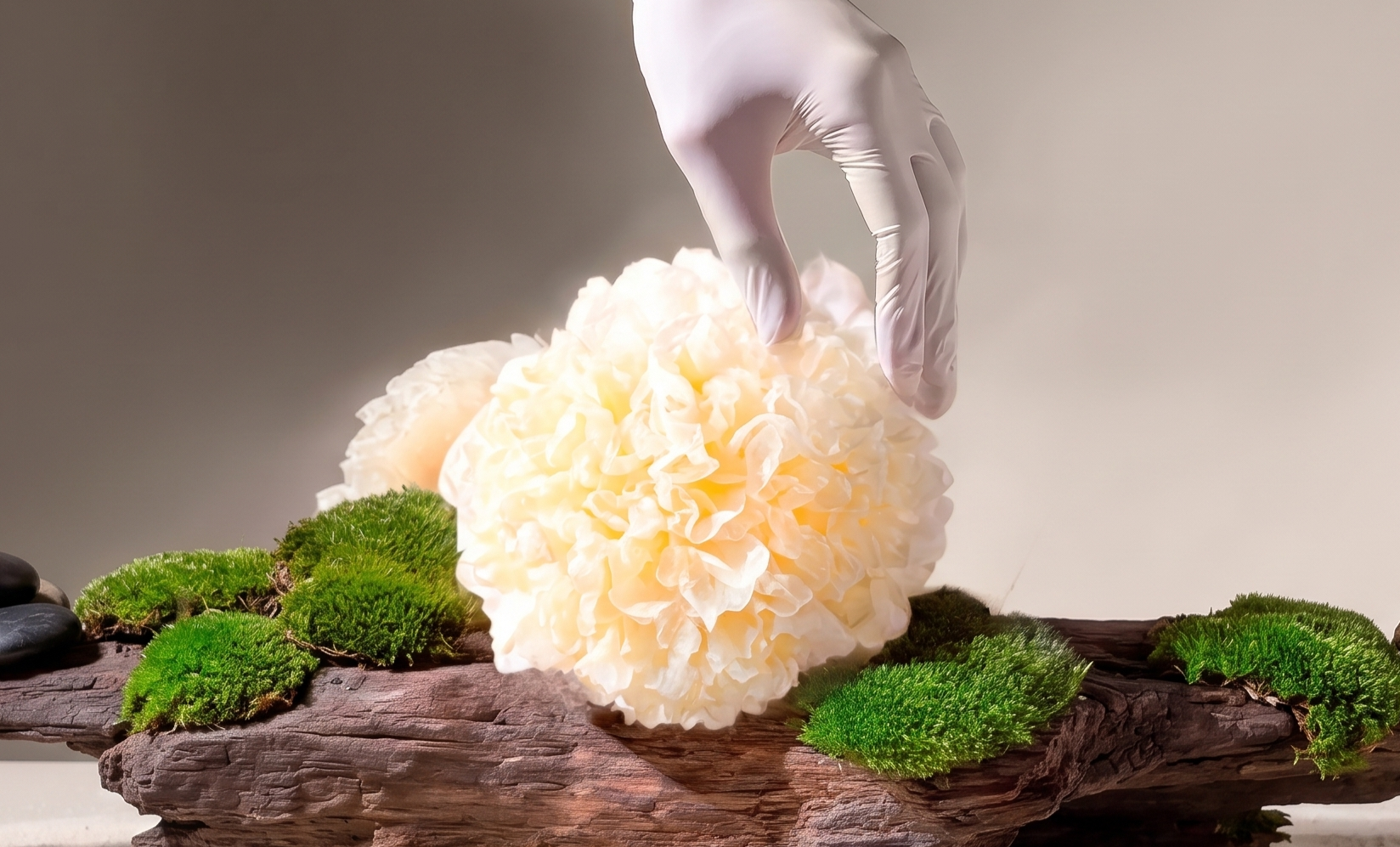
Most blends combine coffee with ingredients like lion’s mane mushroom, cordyceps mushroom, and reishi mushroom. These aren’t added for taste, but for the potential support they bring to focus, energy, and overall balance.
What actually matters is the form. High-quality mushroom coffee uses fruiting body extract instead of raw mushroom powder. That process helps concentrate bioactive compounds like beta-glucans, which are often associated with the functional benefits people look for.
This is where mushroom powder vs extract becomes important as not all blends are created equal even if they look similar on the label.
If you’re new to it and want a deeper breakdown, we’ve covered the basics in our guide to mushroom coffee.

Does Mushroom Coffee Have Caffeine?
Yes, mushroom coffee has caffeine in it because it’s still made with real coffee beans, just with a lower amount than a regular cup.
The caffeine content of a mushroom coffee is typically around 40–60 mg per serving, which is lower caffeine than regular coffee, which usually contains around 90–100 mg.
That’s why many people switch. Nothing really changes about the routine. You still keep your daily cup of coffee, but because the mushroom coffee caffeine is lower, it can feel lighter and more balanced throughout the day, without the same intensity or crash.
How Much Caffeine Is in Mushroom Coffee vs. Regular Coffee?
Let’s look at the actual numbers. How does mushroom coffee compare to your standard morning brew?
|
Coffee Type |
Mushroom Coffee |
Regular Coffee |
|
|
Caffeine Content |
40–60 mg of caffeine |
90–100 mg of caffeine |
|
|
What It Means |
A low caffeine coffee that provides gradual, steady energy |
Higher caffeine for a stronger, faster energy spike |
The mushroom coffee caffeine content is typically about half that of regular coffee caffeine content, which is why many people consider it a low caffeine coffee option.
When comparing mushroom coffee vs regular coffee caffeine, the difference isn’t just in mg of caffeine — it’s in how the energy feels throughout the day. Because the caffeine content is cut in half, it acts as a gentle wake-up call rather than a sudden jolt to your nervous system.
Most mushroom coffee products fall within this range, though the exact amount can vary depending on the blend and coffee base used.
Why Mushroom Coffee Feels Different: Clean Energy vs. The Coffee Crash
Why does mushroom coffee feel different from regular coffee?
Regular coffee tends to hit quickly, which is why some people experience jitters from coffee or a noticeable energy drop later in the day. That cycle: spike, then crash is pretty familiar to most daily coffee drinkers. And for a lot of people, it's just something they've accepted as part of the deal.
But mushroom coffee changes that cycle.
Mushroom coffee is often described as providing smooth energy and steady focus. With lower caffeine, potent mushroom extracts, and in some blends, added compounds like L-theanine, the effect can feel more gradual and easier to sustain. So instead of a sharp spike, many people find it helps them stay steady, with no coffee crash pulling them down by mid-afternoon.
Some people notice the difference right away. Others don't feel a dramatic shift at all, and that's okay. At the end of the day, it comes down to how your body responds and what you're looking for in your morning cup.

Does Mushroom Coffee Reduce Jitters
For many people, yes—especially those who are sensitive to caffeine.
One of the main reasons people experience coffee jitters is the high caffeine content in regular coffee. Since mushroom coffee is a lower caffeine coffee, many people make the switch because of its reduced caffeine content and may feel less overstimulating than regular coffee.
Many high-quality blends include adaptogenic mushrooms like Reishi, which are traditionally used to support calm energy and balance throughout the day. Together, this helps take the edge off that overstimulated feeling that strong coffee sometimes brings.
If you have caffeine sensitivity or often feel shaky, anxious, or wired after your morning cup, mushroom coffee may offer a more balanced experience without having to give up coffee entirely.
Still, the effect can vary from person to person depending on the blend and how your body responds to it.
Can Mushroom Coffee Help With Brain Fog
Caffeine wakes you up. But it doesn't always clear your head.
Some people also turn to mushroom coffee when dealing with brain fog or difficulty staying focused throughout the day. Blends that include Lion's Mane are commonly associated with mental clarity and cognitive support, which is why they're often included in focus-oriented mushroom coffee formulas. Lion's Mane in particular is one of the more researched functional mushrooms when it comes to focus and brain function.
Does Mushroom Coffee Raise Cortisol
Cortisol is a stress hormone that naturally rises in the morning, and caffeine can amplify that response. This is why some people feel more wired or anxious after drinking strong coffee.
When looking at does caffeine raise cortisol, the effect is usually tied to higher doses rather than moderate intake. Since mushroom coffee contains less caffeine, it’s often considered as a lower caffeine alternative for people who are mindful of their stress response and cortisol levels coffee impact.
There isn’t a simple yes or no answer, but reducing overall caffeine intake and introducing adaptogens is often one of the first steps for people who feel overstimulated.
The mushroom coffee cortisol impact depends on the blend and your sensitivity, but for many, it feels less intense compared to a standard cup of coffee.
How Functional Mushrooms Support Focus and Smoother Energy

What role do functional mushrooms play in your daily cup?
Functional mushrooms for focus and energy are a key part of what makes these blends different from regular coffee. They don’t replace caffeine — they work alongside it.
Lion’s mane mushroom benefits are most commonly linked to mental clarity and focus, especially during long work or study sessions.
Cordyceps mushroom energy is commonly associated with sustained endurance, making it a popular addition for people who want steady output without relying solely on caffeine.
Chaga is often discussed for its antioxidant content and overall wellness benefits, rounding out blends designed to support more than just energy.
Reishi mushroom benefits are typically connected to relaxation and balance, which is why it’s often included in blends designed to feel less intense on the body.
Many of these mushrooms are also considered adaptogens, meaning they may help the body respond better to stress over time.
Extract Vs Powder (Quality Difference)
Not all mushroom coffee blends are made the same. One major difference comes down to mushroom extract quality.
Higher-quality blends typically use fruiting body extracts because they contain more concentrated bioactive compounds compared to basic mushroom powders or myceliated grain fillers. This matters because the fruiting body is where the functional compounds are most concentrated.
These extracts are often standardized for compounds like beta-glucans and polysaccharides, which are commonly associated with the functional benefits people expect from mushroom coffee. Without proper extraction, those bioactive compounds may not be present in meaningful amounts, even if the label lists the mushroom by name.
If you're comparing blends, it's worth checking whether the product specifies fruiting body extract and whether it's standardized for beta-glucans. That's usually a good indicator of quality.
Potential Downsides and Who Should Be Cautious
Are there any downsides to mushroom coffee?
For most people, mushroom coffee is generally well tolerated. But like any product with caffeine, it’s not for everyone.
Like regular coffee, mushroom coffee side effects can vary depending on caffeine sensitivity and individual tolerance. Even at a lower dose, some people may still experience mild restlessness or trouble sleeping. Questions around blood pressure and caffeine usually come down to how your body reacts to stimulants overall.
Some people may also notice a slight taste adjustment at first, especially if they're used to very strong or highly sweetened coffee blends. Most find it evens out quickly, but it's worth knowing going in.
Some people also wonder, “Is mushroom coffee safe for daily use?” In most cases, yes. In fact, daily use is how you get the best results from the mushrooms. However, if you’re pregnant or nursing, taking medication, or managing a health condition, it’s still best to check with a healthcare professional first.
As with regular coffee, individual response varies more than most people expect, so giving it a fair trial period is usually the best approach.
Common Myths About Mushroom Coffee and Caffeine
If you are a first-time buyer, there is a lot of confusing information out there. Let’s address and clear up a few common mushroom coffee myths:
Myth: Mushrooms are stimulants
They’re not. If you’re wondering “Are mushrooms stimulants?”, the answer is no. They don’t act like caffeine or create a sudden energy spike. Instead, they support your body's baseline energy and focus over time.
Myth: Mushroom coffee tastes like mushrooms
A common concern is whether mushroom coffees taste like mushrooms. In most blends, it doesn’t and just tastes like your regular, delicious cup of coffee. That’s because the mushroom extracts blend perfectly with the roasted coffee beans, adding a rich, earthy depth without actually tasting like mushrooms.
Myth: It’s just a trend or gimmick
It’s fair to ask “Is mushroom coffee a gimmick?” While product quality varies, there is growing interest in mushroom coffee science, along with a long history of traditional use of functional mushrooms. The key differences usually come down to ingredient quality, extraction methods, and formulation.
The Final Takeaway: A Smarter Way to Start Your Day
So, does mushroom coffee make sense for you?
If you’re looking for balanced energy coffee that still fits into your daily routine, it can be a simple switch. You keep the habit, but change how it feels. Enjoy your usual morning brew with added mushroom coffee benefits: lower caffeine, smoother energy, and functional ingredients supporting focus and balance.
If you’ve been thinking about whether to switch to mushroom coffee, it’s worth trying, especially with a blend that focuses on quality ingredients and proper extraction.

FreshCap mushroom coffee is designed around exactly that idea — keeping the experience of coffee while making it feel more balanced and easier to sustain throughout the day. It features delicious, medium-roast Arabica coffee, 50mg of organic natural caffeine, and a signature blend of 6 potent mushroom extracts: Lion's Mane, Turkey Tail, Reishi, Cordyceps, Maitake, and Chaga.
FAQ
Does mushroom coffee have caffeine?
Yes, as it is made with real coffee beans. However, you are just getting roughly half the amount of a regular cup.
How much caffeine is in mushroom coffee?
It varies by brand but most blends contain around 40 to 60 mg per serving.
Is mushroom coffee healthier than regular coffee?
"Healthier" really depends on your goals. But if you are struggling with afternoon crashes, sleep issues, or feeling overstimulated, a mushroom blend might suit you better.
Does mushroom coffee help with focus?
It can, depending on the blend. Look for formulas that have properly extracted Lion’s Mane in it. This is the mushroom known to support mental clarity, focus, and cognitive function.
Does mushroom coffee help with brain fog?
Some blends containing Lion's Mane are commonly associated with mental clarity and focus support, which is why they're often included in formulas aimed at cognitive performance.
Does mushroom coffee contain adaptogens?
Many functional mushrooms used in mushroom coffee are considered adaptogens because they are traditionally used to support stress balance and overall wellness.
Does mushroom coffee reduce jitters?
Often, yes, mostly because there's less caffeine to begin with.
Does mushroom coffee taste like mushrooms?
No. It tastes like your regular coffee and the mushroom extracts don't carry the flavor.
Can you drink mushroom coffee every day?
Yes, and daily use is actually how you get the most out of the functional mushrooms. However, individual tolerance and health conditions should always be considered.