Spend five minutes shopping for mushroom supplements and you'll probably run into the term beta-glucans. Some brands proudly display the number on the front of the label. Others mention it in product descriptions. A few don't talk about it at all.
So, what's the big deal?
Beta-glucans are compounds naturally found in mushrooms, and they're one of the most widely recognized markers of mushroom quality. They aren't the whole story, but understanding them can make it much easier to compare mushroom supplements and know what you're looking at.
What Are Beta-Glucans?
Beta-glucans are naturally occurring carbohydrates found in the cell walls of mushrooms. They're present in every functional mushroom, from Lion's Mane and Reishi to Turkey Tail, Cordyceps, Chaga, and Tremella.
They're also found in foods like oats and barley, but mushroom beta-glucans have a fundamentally different molecular structure than the ones found in grains. That's why you'll often see mushroom research discussing them separately.
Researchers have studied beta-glucans for decades, making them one of the most commonly referenced compounds in functional mushrooms. While each mushroom species has its own unique profile, beta-glucans are something they all share.
So Why Does Everyone Talk About Them?
Imagine you're comparing two bags of coffee. You'd probably look at where the beans were grown or how they were roasted. No single detail tells you everything, but together they paint a clearer picture of what you're buying.
Beta-glucans work much the same way.
Because they're naturally found in mushroom fruiting bodies, many manufacturers measure beta-glucan content as one indicator of quality. But they're only part of the story. The mushroom species, the part of the mushroom that's used, extraction methods, and testing all matter too.
Think of beta-glucans as one piece of a much bigger puzzle.
If They're All Mushrooms, Why Are They So Different?
Two mushroom supplements can both say "Lion's Mane" on the front of the package and still be very different products. That's because what goes into the bottle depends on much more than the species name.
It Starts With the Mushroom
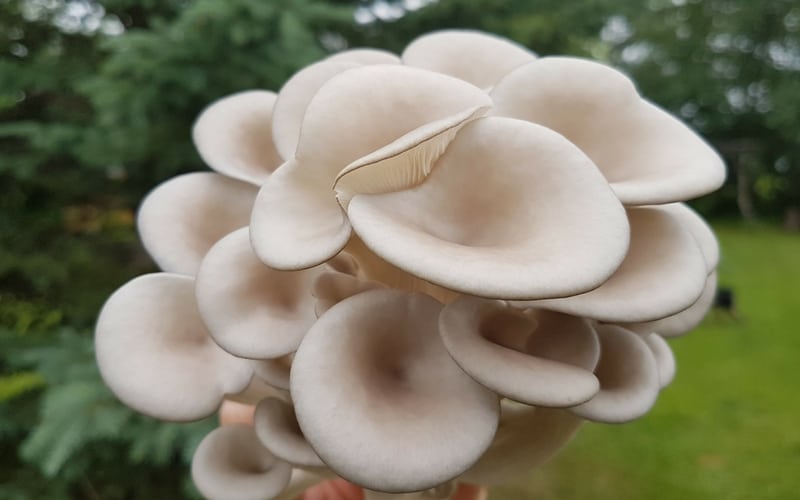
One of the first things to check is whether a product uses fruiting body mushrooms, which are naturally rich in compounds like beta-glucans.
It's also worth flipping the package over and reading the ingredient list instead of relying only on the front label. A quick look can tell you far more about what's actually inside.
How It's Grown Matters Too
Like coffee beans or herbs, mushrooms are influenced by how they're cultivated. Growing conditions, harvesting practices, and sourcing all influence the quality of the mushrooms before extraction even begins.
Extraction Helps Bring It All Together
After harvest, mushrooms are often extracted to concentrate their naturally occurring compounds. Different extraction methods are suited to different compounds, which is why you'll sometimes see terms like hot water extraction or dual extraction on product labels.
The goal is to create an extract that delivers those compounds in a consistent, reliable way.
Why Transparency Matters
One of the easiest ways to evaluate a mushroom brand is by how transparent it is.
Brands that clearly explain their ingredients, sourcing, extraction methods, and third-party testing make it much easier to understand exactly what you're buying. That's information worth looking for whether you're shopping online or standing in the supplement aisle.
Reading a Mushroom Label Doesn't Have to Be Complicated

When you're comparing products, here are a few things to look for:
- Read the full ingredient list, not just the front label.
- Look for products made with mushroom fruiting bodies.
- Check whether the product uses mushroom extracts, dried mushroom powder, or a combination of both.
- See whether the brand shares its beta-glucan content.
- Look for third-party testing and clear information about sourcing and extraction.
Want to feel even more confident reading a Supplement Facts panel? Check out our guide on how to read a mushroom supplement label for a quick visual walkthrough.
Finding the Right Fit
Once you've found a product you trust, the next step is making it part of your daily routine.
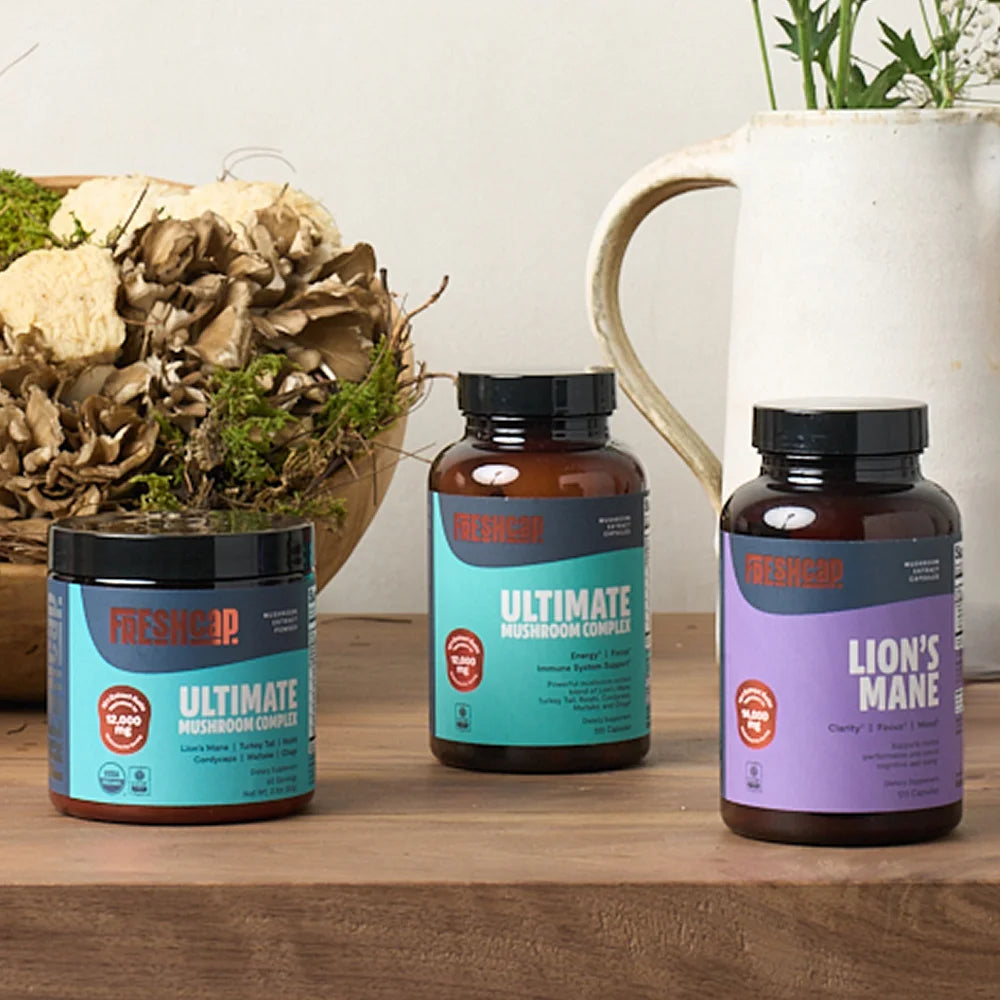
Some people prefer an all-in-one formula like Ultimate Mushroom Complex, which combines several functional mushroom species into one serving. Others like to focus on a single mushroom, such as Lion's Mane, to support focus and mental clarity. And for anyone who already starts the day with coffee, Mushroom Coffee offers an easy way to enjoy functional mushrooms as part of an existing habit.
There's no perfect routine. The best one is simply the one you'll enjoy enough to stick with.
The Next Time You Read a Label
The next time you pick up a mushroom supplement, take a moment to look beyond the marketing claims.
Check the ingredient list. See if the brand shares information about sourcing, extraction, and third-party testing. And if you spot beta-glucans on the label, you'll know why they're there.
Beta-glucans won't tell you everything about a mushroom supplement, but they can tell you a lot. Pair that knowledge with transparent labeling, quality ingredients, and thoughtful manufacturing, and you'll be in a much better position to choose a product that fits your routine.