Mushroom coffee has gotten popular fast, meaning the market is now full of products that range from genuinely solid to basically a marketing exercise. If you're looking for the best mushroom coffee, four things matter most: quality coffee, meaningful mushroom doses, fruiting body extracts, and transparent labeling.
If you've tried to research it, you've probably landed on a dozen "top 10" lists that all recommend the same few brands with no real explanation of why.
This isn't that. Instead of ranking brands, this guide breaks down what actually matters when you're comparing options, so you can read the label, understand what's in the bag, and make a call based on what you're actually looking for.
If you're newer to the category and want a full breakdown of what mushroom coffee is, start here before diving in.
What makes a mushroom coffee “best”?
The problem is there's no regulated standard for what qualifies as "mushroom coffee.” A product can have a small, barely-functional dose of mushroom extract, call itself mushroom coffee, and price it like a premium wellness product.
The best mushroom coffee isn’t defined by how many functional mushrooms are listed on the label. What matters more is the quality and dose of those mushrooms, how they're processed and extracted, and whether the brand clearly discloses what’s actually in each serving.
Those details matter when you're evaluating the potential health benefits of a mushroom coffee. A mushroom name on the label doesn't tell you much on its own. The mushroom species, extraction method, dose, and transparency behind it all matter.
Key mushrooms commonly used in mushroom coffee

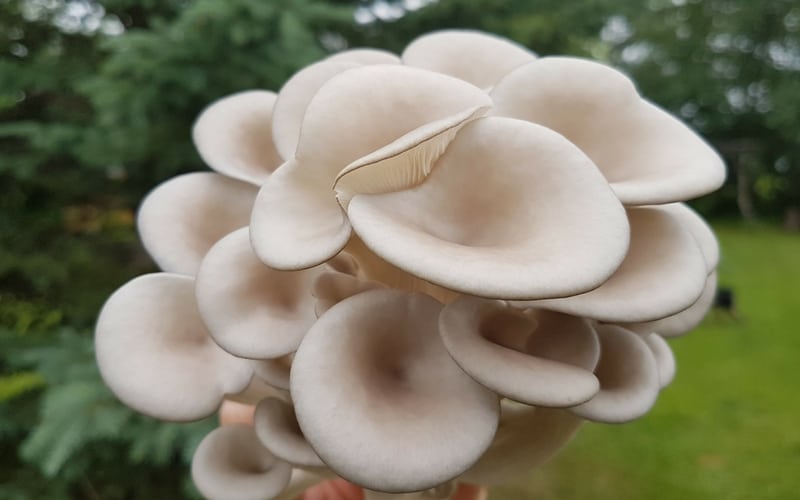
The most common functional mushrooms used in mushroom coffee include Lion’s Mane, Cordyceps, Reishi, Chaga, and Turkey Tail. Knowing what each one actually does stops you from just taking the packaging at face value.
-
- Lion's Mane is probably the most common, and for most people it's the main reason to try mushroom coffee in the first place. It's the one with the most research behind cognitive support, focus, mental clarity, that kind of thing. If a product doesn't include it, there should be a clear reason why.
- Cordyceps often shows up alongside it, usually positioned around energy and physical performance. A decent pairing with coffee if you're active or just want something that supports endurance without extra stimulants.
- Reishi is interesting because it's technically calming, which sounds counterintuitive in a coffee product. But if you find straight caffeine makes you anxious or wired, reishi can balance that out a bit. Some people really like it for that reason.
- Chaga is more of an antioxidant and immune support mushroom. It also has a naturally earthy, slightly bitter flavor that actually works well in a coffee blend.
-
Turkey Tail is less common but worth noting when you see it. It's associated with gut and immune health, and its inclusion usually signals a brand that's thinking beyond the trendy picks.
One thing to watch: some products throw in five or six species to make the label look impressive. That's not necessarily a good sign. A smaller number of well-dosed mushrooms is almost always better than a long list of underdosed ones.
What to check in the ingredient list
This is where most people stop paying attention, and it's where a lot of products hide the problems.
Start with the mushroom doses. A label that simply says "mushroom blend 500mg" tells you very little. You want to see how much of each mushroom is in a serving.
Then check whether you're getting an extract or plain mushroom powder. They're not the same thing. A mushroom extract has been processed to concentrate specific compounds from the mushroom, so "lion's mane extract" tells you something different from "lion's mane powder."
Don't overlook the coffee itself. Check the caffeine content, whether it's organic, and whether the formula contains fillers like maltodextrin or artificial flavors. None of these are automatic dealbreakers, but they tell you something about how much care went into the formulation.
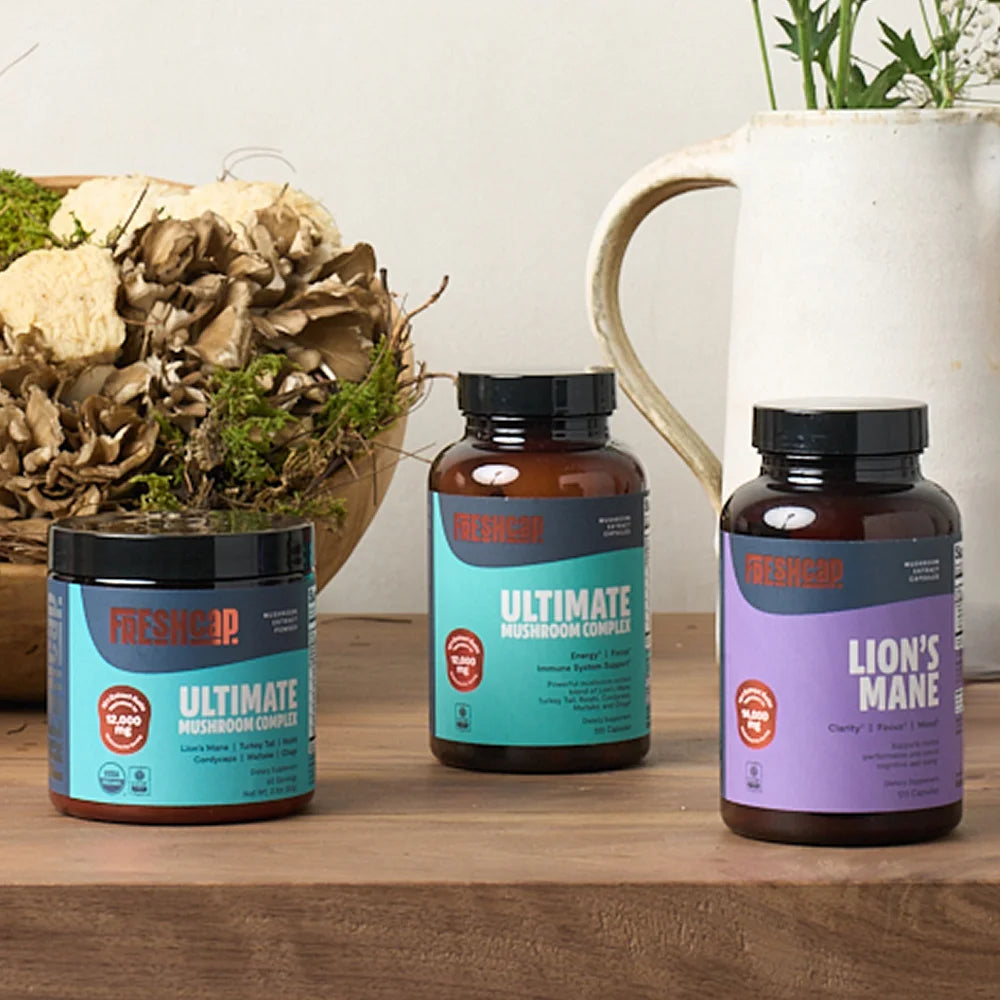
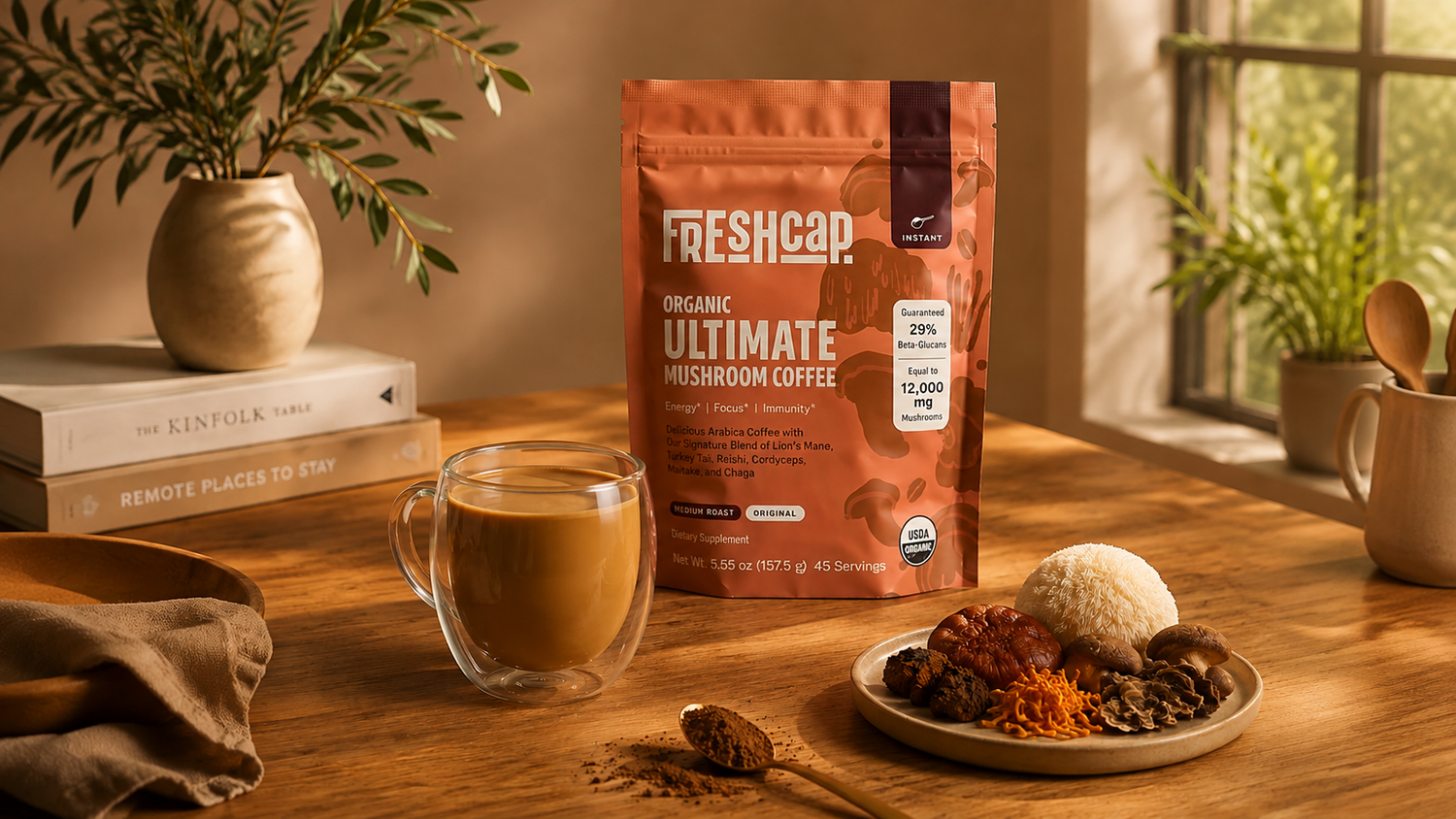
One example is FreshCap Mushroom Coffee, which provides 1,000 mg of fruiting-body mushroom extract per serving — a clear, disclosed dose rather than a vague "mushroom blend."
The goal isn't to find the product with the longest ingredient list. It's to find one that tells you exactly what you're getting.
Extract quality, fruiting body, and transparency

The fruiting body is the actual mushroom — the cap, the stem, the part you'd recognize. This is where most of the well-studied compounds are concentrated, including beta-glucans, which are basically the benchmark for functional mushroom quality.
Mycelium is the root-like network the mushroom grows from. It's not useless, but when mycelium is grown on grains (which is common and cheap to produce), a big chunk of what you're getting is grain starch, not mushroom.
Brands that use fruiting body extracts usually say so clearly, because it's a selling point. If a brand is vague about it, that's worth noting.
Beta-glucan percentages, extract ratio, USDA Certified Organic status, and third-party testing are the other signals worth checking. Not many brands disclose all of these, but the ones that do are usually the ones that have actually tested their extracts and stand behind the quality. FreshCap, for example, uses a 12:1 fruiting body extract standardized to 29% beta-glucans, and is USDA Certified Organic and third-party verified — giving shoppers a concrete way to gauge both potency and transparency.
Taste, caffeine, and coffee format considerations
The functional side doesn't matter much if you're not going to drink it every day.
If you’re comparing how much caffeine is in mushroom coffee, most blends contain around 50–80mg per serving, compared to roughly 95mg in a standard drip coffee. That's actually one of the reasons people switch to it. If you're trying to cut back on caffeine without giving up coffee, it's a reasonable middle ground. But check the label, because it varies quite a bit by product.
On taste: the earthy, slightly funky reputation mushroom coffee has is mostly a bad-formulation problem. A well-made product with quality coffee as the base shouldn't taste medicinal or weird. Chaga and Reishi actually add a pleasant depth when used right. If you've tried one that tasted off, it's worth trying a different brand before giving up on the category.
Format is mostly a lifestyle choice. Most products come as instant mushroom coffee (dissolvable powder) or ground mushroom coffee. Instant mushroom coffee dissolves quickly in hot water, mixes more evenly, and is convenient and easy to travel with. A good one should also have a smooth texture without feeling gritty. Ground mushroom coffee is better suited to people who prefer a more traditional brewing experience. Pods exist too, though they're less common.
Which type of mushroom coffee suits your needs
Different functional mushrooms are associated with different health benefits, so the best blend depends on what you want from your daily coffee. This isn't a one-size-fits-all category, so it's worth thinking about what you're actually hoping to get out of it.
If your main goal is focus and mental clarity, prioritize Lion's Mane and make sure it's at a meaningful dose, not just listed for label appeal. Pair that with a moderate caffeine level.
If you want more energy without the jittery feeling, look for Cordyceps alongside a lower-caffeine coffee base. It's a gentler kind of energy than straight caffeine.
If you're sensitive to caffeine but still want your morning coffee ritual, a blend with Reishi and a lower caffeine content is a reasonable option. Some people find it takes the edge off better than they expected.
If you're mostly interested in general wellness and immune support, Chaga and Turkey Tail are what you want to see on the label.
Mistakes to avoid when choosing a mushroom coffee
Going by brand recognition. Some of the most visible brands in this category are also some of the most aggressively marketed, which isn't the same as well-formulated. The big names aren't always the best value for money.
Not checking the dose. "Contains lion's mane" on the front of the bag is meaningless if the actual serving amount is negligible. The dose matters.
Forgetting it's mostly still coffee. If the base is commodity-grade instant coffee, the experience will reflect that. The mushrooms don't make bad coffee taste good.
Taking "mushroom extract" at face value. That phrase alone doesn't tell you whether it's fruiting body or mycelium, what the extraction ratio is, or whether any testing was done.
Assuming more species means more benefit. It's tempting to gravitate toward the product with the most mushrooms listed. But eight underdosed mushrooms don't outperform two well-dosed ones.
FAQ: is it good for you, does it have caffeine, what matters most
What is the best mushroom coffee?
The best mushroom coffee should use quality coffee, clearly disclosed mushroom doses, fruiting body extracts, and transparent testing rather than relying only on the number of mushrooms listed.
Is mushroom coffee actually good for you?
It depends on the product. The mushrooms themselves — Lion's Mane, Cordyceps, Reishi, and Chaga — have research behind them, especially around cognitive and immune function. But that research is mostly based on meaningful doses of quality extracts. A product using small amounts of mycelium powder may not provide the same concentration of mushroom compounds as a standardized fruiting-body extract. A well-formulated one with clearly disclosed mushroom ingredients? There's a more reasonable case for it.
What are the health benefits of mushroom coffee?
The potential health benefits depend on the mushrooms used, their dose, and extract quality. Different mushrooms are commonly used for focus, energy, or broader wellness support.
Does mushroom coffee have caffeine?
Yes, most of it does, just less than regular coffee. The exact amount depends on the product, so check the label if it matters to you.
What's the most important thing to look for?
Honestly, fruiting body extracts and disclosed dosing. If a brand is upfront about both, they're usually worth taking seriously. If they're vague on both, that tells you something.
Is it worth it compared to just taking mushroom supplements separately?
Depends on your habits. If you're going to drink coffee anyway, combining it with functional mushrooms is convenient and probably sufficient for most people's goals. If you want higher doses or more targeted effects, a standalone supplement might serve you better. But for a daily routine, well-made mushroom coffee is a reasonable option.
So, what should you actually buy?
The best mushroom coffee is made from quality coffee, uses actual fruiting body extracts at doses that mean something, and doesn't hide behind vague labeling. That's not a high bar, but a surprising number of products don't clear it.
If you want something that's built to that standard — fruiting body extracts, transparent dosing, USDA Certified Organic coffee base — Freshcap Mushroom Coffee is a good place to start. It’s third-party verified for safety and consistency, with a 12:1 fruiting-body extract standardized to 29% beta-glucans.